Why HR Strategy Is Key to Business Growth
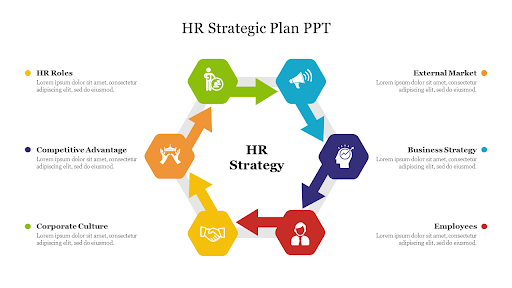
Today, it is no longer enough to offer great products or services. Success is about having the right people, systems, and strategy to make everything work together. That is the purpose of a strong HR strategy. HR connects people and business goals to build the foundation for long-term growth. HR helps a business grow by hiring, building leaders, and fostering engagement. When HR is given the proper resources, it becomes the most powerful component of every thriving business.
What an HR Strategy Really Means
An HR strategy goes beyond a checklist of hiring policies and training sessions. HR strategy is where the people side of the business and the operational side of the business meet and form a cohesive and direct partnership. This is where a business streams the integrated attraction, development, and retention of employees with the business’s mission and culture.
When HR is strategic, every decision, from onboarding to promotions, helps the organization move forward. This is done through designing development programs that have a direct tie to the business, so employees have the necessary skills for the next stage of growth. This encourages and empowers people at every level.
An effective HR strategy goes beyond merely filling positions within a company. It fosters a culture that makes employees want to engage with the organization actively and persist. This is why HR is increasingly regarded as a powerful growth enabler, as employee satisfaction is linked with company success.
The Role of HR in Scaling Operations
When a company is in a growth phase, the complexity of managing people escalates. Growth comes with the new issues of managing culture, juggling larger team numbers, and recruiting for position specialization. This is the reason for the importance of HR in these situations. Ensuring that predetermined HR policies and structures are in place facilitates growth and change.
Partnering with professional business services like staffing services by HR Boutique can help an organization find the right people quickly.
Anticipatory is a key attribute of effective HR; for example, internal leadership programs will prepare an organization for new growth by developing inner capabilities. Focusing on the right HR strategies will empower organizations to grow without sacrificing their values.
Turning HR into a Growth Partner
HR’s job has gone beyond admin tasks. Modern HR professionals are strategic partners and help shape the business code. They analyze and provide feedback and trends to help inform leaders.
For instance, when employee turnover spikes in a certain department, HR can investigate the reasons behind it and deduce actionable steps. HR analytics can also identify the areas of training to increase ROI. When HR is involved in the planning of business strategy, it provides a clearer roadmap to the HR business function.
An HR strategy that focuses on the people’s needs fosters HR’s transformation from a support department to an engine of growth. This strategy balances the human elements of business and, as a result, fosters collaboration and improved performance.
Building and Retaining Top Talent
For any successful company, the people within it must be skilled and motivated. But it is not enough to just hire them—you also need to keep them. HR should provide a strengthening framework that recognizes, supports, and inspires people to continue working for the company.
Let’s first talk about fair pay, advancement possibilities, and maintaining a healthy balance between your work and your personal life. Employees recognize progress and value, given regular performance reviews, learning opportunities, and open channels of communication. It is to be valued. It is appreciated. As a result, most reciprocate with their best work.
Culture is another key issue with retention. Employees and managers alike foster an environment of inclusion and participation. Members of an open, communicative, and transparent culture foster and sustain high morale, thus lowering the retention rate. This saves the organization on both the time and financial front.
Aligning People Goals with Business Goals
For a company to be sustainable, everyone has to work in the same direction. By in this way, every team and every individual effort ensures that the work and time of business efforts aligns with the larger vision for the company.
Setting unambiguous expectations, clear definitions of goal achievement, and beckoning recognition there, all link disparate pieces. Meaning, recognition connected to business goals and achievements. This gives employees a sense of ownership and purpose.
You need to keep the lines of communication open constantly. Regular updates, feedback meetings, and performance reviews allow HR to close the communication gap between leadership and staff. This collaboration builds trust throughout the organization. Organizations that prioritize their employees’ understanding and development achieve commendable results.
Conclusion
A strong HR strategy doesn’t merely manage employees, it strengthens and empowers them. It aligns individual and organizational potential to shift human resources from being just people in the company to being a major driver of growth. Strategic hiring, talent development, and employee engagement provide businesses with a unique HR strategy that fuels growth. The people grow, and the company grows with them.


