The Future of Web Design: AI Integration Explained
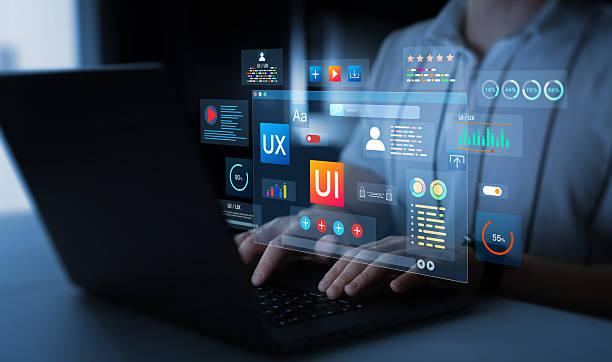
Holographic UI-UX, display icons of UX-UI designer, creative planning, data visualization. Web design, application design,coding develop.UX-UI design web and user design development.
Artificial intelligence is at the vanguard of the revolving digital sphere. Web design is more about clever, data-driven experiences than it is about images. Offering easier navigation and more interesting content, a Web Design Agency London may now design smart websites that adjust to consumers in real time. Artificial intelligence tools are changing the design, creation, and optimisation of websites. They enable automation of design processes, raise creativity, and improve user engagement. AI takes care of technical accuracy so designers can now concentrate on story and strategy. It is assisting companies in providing faster, more intelligent, and more customised online experiences that will shape the future of web design, thanks to this combination of creativity and intellect.
Customised user experiences
Personalisation reaches a new level thanks to artificial intelligence. It uses user data, surfing habits, and preferences to develop personalised online experiences. For instance, an AI-driven website can present users with varying material depending on their device, geographic location, or previous activity. This personalisation boosts trust and increases involvement. Visitors have the impression that the website meets their needs. Retail websites, for example, can suggest items that fit every consumer’s background and taste. In essence, artificial intelligence transforms casual visitors into devoted consumers by making websites more intuitive, human, and relevant.
More smart design Automation
AI is remarkably precise at managing difficult design projects these days. Builders powered by artificial intelligence generate automatic full layouts. To produce designs that fit brand identity, they examine material, colour palettes, and user intention. This automation guarantees consistency and accuracy in addition to helping to speed up labour. Designers can use artificial intelligence recommendations to improve their ideas or quickly correct spacing and alignment mistakes. AI-driven design tools will transform startups and small companies. Irrespective of technical competence, they make professional-level design available for all.
User Behaviour and Predictive Analytics
Predicting user behaviour is one of the most interesting features of artificial intelligence in web design. AI may ascertain how consumers engage with a website by monitoring session length, scrolling patterns, and clicks. Then it offers thoughts to better content placement and navigation. Businesses may also foresee consumer demands with the aid of predictive analytics. AI can, for instance, recommend design changes to avoid cart abandonment by consumers at a particular phase. Designers may solve problems before they influence conversions using this proactive strategy. The result is a more pleasurable, more seamless user experience.
Optimising voice and visual search
Web browsing’s future goes beyond just typing. Websites have to change as voice assistants and image-based search have become more popular. AI lets designers maximise for these new technologies. It enhances search engines’ comprehension of visual material and voice commands. For example, artificial intelligence can find keywords or produce correct alt text by examining images. Additionally, using natural language and conversational tones, designers may arrange content for voice searches. This makes websites future-ready and more accessible. Artificial intelligence guarantees that websites stay simple to find and browse as more people start using smart speakers and visual tools.
Greater Accessibility and Inclusion
AI is also supporting the inclusion of web design. It can automatically modify text sizes, hues, and layouts to satisfy access criteria. For disabled users, artificial intelligence technologies provide real-time assistance, including voice navigation, screen reading, or captioning creation. This guarantees that everyone may enjoy the web experience regardless of aptitude. Before launch, designers can additionally check their websites for accessibility problems with artificial intelligence. Apart from enhancing usability, this builds the credibility of a brand. Accessibility has become a necessary component of contemporary web design; artificial intelligence is leading the charge.
AI and the Designer’s Role
Although artificial intelligence offers automation and speed, it does not replace human imagination. Rather, it improves it. Still very important in determining the emotional and aesthetic aspects of a website, designers AI manages the data-driven work; people create the story, mood, and visual appeal. Designers will act increasingly as creative strategists going forward. AI knowledge will help them to create more intelligent design choices and provide better user experiences. The next phase of web design will be shaped by this cooperation of people and machines: clever, inventive, and very user-centric.
Conclusion
Once merely a buzzword, artificial intelligence now forms the foundation of contemporary web design. It is altering website appearance, feel, and performance from customisation to automation. Designers have potent tools these days that enable them to create more effectively with better knowledge of users. AI will speed up, improve, and include web design as technology keeps progressing. Still, creativity will always centre it. The future of web design is people employing computers to design better for other people, not machines replacing humans.


