Boost Your Brand Identity with Personalized Retail Packaging
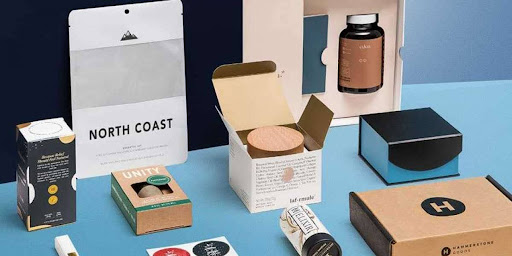
In a world dominated by visual competition and countless product choices, packaging is no longer just about containment—it’s about communication. Whether you’re launching a new brand or refining an existing one, custom retail packaging is one of the most influential tools you have to shape perception, drive engagement, and enhance customer loyalty.
From unboxing videos to store displays, every aspect of how a product is presented can elevate or diminish its value. When thoughtfully designed and well-executed, packaging becomes more than protection—it becomes a brand storyteller.
The Importance of Retail Packaging in Modern Commerce
Retail shelves are crowded. Whether in physical stores or e-commerce marketplaces, products compete not just on price and quality, but on visibility and presentation. In this competitive arena, packaging offers a unique opportunity to differentiate.
Custom retail packaging, used strategically, helps businesses reflect their brand values and aesthetics through every fold, texture, and printed surface. In fact, studies show that consumers are more likely to trust and buy from brands that invest in professional, unique packaging. The right packaging creates a tactile and emotional experience—one that connects the customer to the product and the brand in a memorable way.
Elements That Define Effective Custom Retail Packaging
To build effective retail packaging, companies must focus on a few key elements:
1. Functionality and Protection
At its core, packaging must fulfill its basic purpose: to protect. Whether it’s delicate electronics, luxury cosmetics, or gourmet food items, packaging must shield the product from environmental damage, tampering, and transportation issues.
2. Aesthetics and Branding
First impressions matter. Visual elements such as logos, typography, color palettes, and imagery all work together to create a brand’s visual identity. This identity becomes a critical factor in whether a customer picks your product off the shelf.
3. Retail Packaging Customization
Businesses can fine-tune every element—from structural design to material choices—to align with their product’s needs and the brand’s personality. From minimalist matte finishes to vibrant glossy textures, customization ensures that every package is both functional and emotionally resonant.
Eco-Friendly Retail Packaging: A Growing Necessity
Consumers are becoming increasingly conscious of the environmental impact of their purchases. This has pushed brands to adopt eco-friendly retail packaging solutions. Biodegradable materials, recyclable inserts, and soy-based inks are not just sustainable—they’re also great storytelling tools for a conscious brand.
For example, using kraft paperboard or recycled corrugated cardboard tells your customer that you value the environment. It’s a subtle yet powerful form of communication that enhances trust and loyalty. In fact, many buyers today actively seek brands that take environmental responsibility seriously.
How Retail Box Packaging Supports Visual Merchandising
Visual merchandising isn’t just about store layout—it includes how your product is boxed and displayed. Retail box packaging is key in catching a customer’s attention from a distance. Thoughtful die-cuts, window panels, embossed logos, or limited-edition designs all play a role in transforming a standard product into a coveted one.
Consider perfume boxes or artisanal chocolate packages. Often, the perceived value lies not just in the product but in the luxurious, thoughtfully designed box that houses it. Packaging creates perceived worth, and that perception can directly influence pricing strategies and customer satisfaction.
Personalization Creates Deeper Brand Connection
When customers feel that a brand “gets” them, they are more likely to engage, share, and return. That’s where personalization in retail packaging shines. Adding personalized touches like customer names, holiday-themed designs, or loyalty messages deepens brand-customer relationships.
Retail packaging customization isn’t limited to luxury brands either. Even small, local businesses are embracing tailored packaging to provide a premium experience on a budget.
Why Custom Retail Packaging Matters in Omnichannel Retailing
The line between online and in-store shopping has blurred. Packaging now must perform well across various touchpoints—whether it’s stacked on a shelf, showcased in a product photo, or delivered in a shipping box.
Custom retail packaging allows brands to maintain consistency across all sales channels. A consistent visual and tactile experience reinforces brand identity, whether a customer buys the product in-store or receives it in the mail.
This omnichannel consistency also simplifies logistics, improves brand recall, and elevates customer experience.
Innovation and Material Trends in Retail Packaging
Recent trends are reshaping how packaging is approached:
- Smart Packaging: Incorporating QR codes or NFC tags to deliver interactive content.
- Modular Designs: Reusable boxes that serve a purpose beyond their initial use.
- Minimalist Aesthetics: Clean and bold layouts that reflect modern design values.
- Textural Variety: Matte, soft-touch, or embossed surfaces that appeal to touch as well as sight.
The integration of these innovations into retail box packaging ensures your product not only arrives safely but delights the customer every step of the way.
Finding the Right Packaging Partner
With so many material, printing, and design options available, working with an expert packaging provider is essential. A professional partner helps align the look and feel of your packaging with your brand’s vision, and ensures that your boxes are functional, durable, and visually appealing.
This is where custom product packaging becomes more than a commodity—it becomes a strategy.
In the second last paragraph, it’s important to recognize that custom product packaging is the link between product and perception. When designed well, it enhances value, reflects professionalism, and becomes a lasting part of the customer experience. It signals to buyers that your brand doesn’t just care about what’s inside—but how it’s presented.
Conclusion
In today’s saturated markets, standing out means going beyond product quality—it means delivering a full-sensory experience that starts the moment your product is seen. Custom retail packaging isn’t just a marketing tool; it’s a brand builder, an experience driver, and a silent salesperson working around the clock.
From sustainable materials to personalized finishes, every detail you add tells a story. When you partner with custom product packaging experts, you gain more than a supplier—you gain a creative ally who helps bring your brand identity to life, box by box.