Waste Removal Guide: Safe Disposal Methods Hazardous Waste
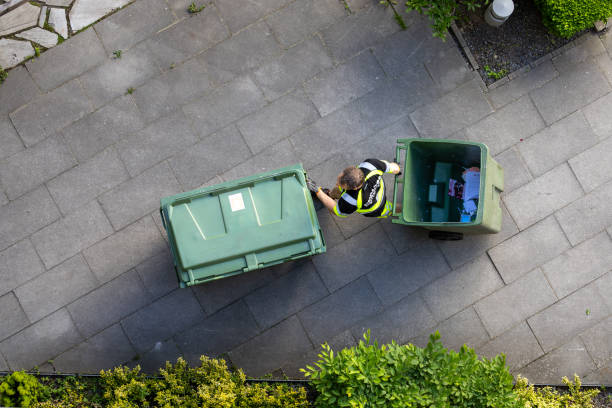
Stockholm, Sweden June 5, 2024 A garbage man in a residential complex pushes and pulls green garbage containers.
The safe and controlled disposal of hazardous items that could endanger people, animals, or the surroundings is known as hazardous waste removal. Effective hazardous waste administration is crucial to safeguarding public health and your legal position, whether you’re managing a building project, an industrial site, or a corporation. An outline of dangerous materials removal, its significance, and how companies can guarantee adherence to the pertinent laws will be given in this blog post. Commercial Skip Hire is the ideal waste management solution for companies managing large amounts of building materials or trash since it is dependable and efficient.
Hazardous Waste: What Is It?
Any cloth that, if dealt with, maintained, or disposed of inappropriately, poses a critical risk to human fitness or the surroundings is taken into consideration hazardous waste. These materials might also consist of heavy metals, solvents, chemical substances, organic waste, and more. Frequently, dangerous waste is divided into businesses like:
- Chemical waste: Contains substances, inclusive of paints, solvents, acids, and cleansing resources.
- Medical rubbish, lab samples, and animal faces that could contain infectious pathogens are all taken into consideration as organic waste.
- Heavy metals, asbestos, and trash from manufacturing operations are examples of commercial enterprise waste that’s normal in the production and production sectors.
- Electronic rubbish (e-waste): Toxic materials like lead and mercury may be determined in discarded electronic devices like laptop computers and cell phones.
Why Is It Essential To Get Rid Of Dangerous Waste?
Protection of the Environment
Hazardous substances can pollute ecosystems and positioned flora and fauna in hazard with the aid of leaking risky compounds into the soil and water. By nicely disposing of this pollution, lengthy-time period environmental harm is averted.
Safety and Health
Human health is without delay at chance from some doubtlessly risky substances, together with chemical substances or asbestos. The public, residents, and employees are all protected by means of the right to cope with and dispose of.
Adherence to the Law
Businesses and individuals have to do away with risky trash according to stringent tips set forth by UK waste control legal guidelines, such as the Environmental Protection Act. By working with licensed suppliers, you can assure adherence to rules and steer clear of possible penalties.
Techniques for Disposing of Hazardous Waste
Hazardous waste may be disposed of in various ways. Therefore, it is crucial to choose the top-quality technique relying on the kind and type of waste. The following are a number of the maximum not unusual methods to put off unsafe waste:
Disposal of Landfills
Using this method, non-liquid hazardous waste is disposed of in landfills that have been specially built with liners that include additional safety features. The liners protect against environmental pollutants.
Burning
One reliable and effective method of disposing of waste that can reduce waste volume is incineration. Ash, along with additional non-hazardous materials, is produced by burning hazardous trash at a high temperature during this procedure. It is commonly used for both hazardous liquid waste and solid trash.
Chemical Processing
Chemical treatment can reduce the toxicity of hazardous waste or change it into recyclable materials. It is commonly used for hazardous liquid waste. To ensure that chemical treatments do not result in the creation of new hazardous waste streams, adherence to industrial and local regulatory laws and administration standards is essential.
The Process Of Bioremediation
This process uses microorganisms to break down and remove dangerous material. For organic hazardous waste, such as oil and petrol spills, bioremediation is commonly used. As a result, it may be an economical and sustainable way to get rid of trash. To guarantee success and avoid increasing the hazards to the environment or public health, monitoring is required.
Which Waste Types Are Considered Hazardous?
Any object that endangers the surroundings, human health, or both is taken into consideration hazardous waste. Generally speaking, a number of waste kinds are categorized as hazardous, including:
- Chemical waste comprises substances that are poisonous, combustible, corrosive, reactive, or gift different severe hazards. Solvents, paints, insecticides, cleansing elements, and particular lab compounds are a few examples.
- Biological Waste: This class includes waste merchandise such as biohazardous objects, hazardous materials, and medical sharps. They are probably a source of infectious diseases or have the potential to spread contamination.
- Electronic Waste: Also known as “e-waste,” discarded digital devices consist of chemicals (along with brominated flame retardants) and heavy metals (such as lead, mercury, and cadmium) that may be harmful. If no longer handled correctly, these materials have the capacity to pollute the environment.
- Common risky compounds produced by houses, agencies, and industries are called general wastes. Batteries, fluorescent lighting, a few insecticides, and devices that contain mercury, including thermostats and thermometers, are some examples.
- Radioactive Waste: This category includes waste from nuclear energy plants, medical radioactive compounds, and laboratory byproducts that emit ionizing radiation.
Selecting the Appropriate Disposal Technique
The following factors must be taken into consideration whilst deciding on the best way to dispose of chemical waste:
- Waste type: Handling and disposal strategies range depending on the form of the chemical.
- Environmental impact: Recycling is one technique that has a decrease environmental impact than incineration.
- Compliance: It’s crucial to make sure your method conforms to nearby, national, and worldwide trash disposal legal guidelines.
You can pick out the most secure, most compliant solution for your waste management requirements by partnering with experienced disposal vendors.
Final words
Removing risky waste isn’t always only required by way of regulation; however, it’s also a primary duty that businesses must take seriously, which allows them to guard the surroundings, the well-being, and protection of their body of workers, and the community at large.